
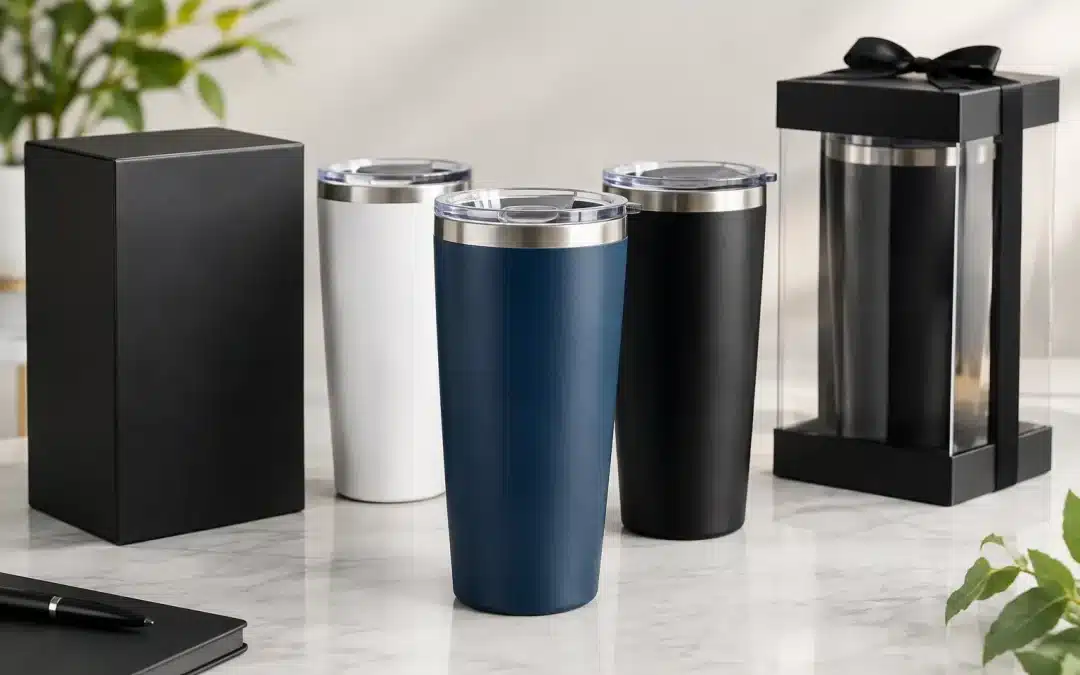
A strong branded tumbler launch example does more than put a logo on a glass. It gives customers a useful, good-looking item, then presents it in packaging that makes the offer feel complete. For corporate gift programs, retail ranges and event merchandise, that final presentation can be the difference between a tumbler that feels promotional and one that feels worth keeping.
Consider a practical launch for a boutique Australian gin brand preparing for summer events. The business wants to introduce a branded 450 ml stemless tumbler, sold individually at cellar-door pop-ups and included in selected corporate gift packs. The tumbler carries a simple one-colour logo and is designed for gin cocktails, sparkling water or wine. The challenge is to protect the glass, create shelf appeal and keep packing straightforward for a busy team.
The solution is not necessarily a complicated custom box. It is a packaging choice that suits the tumbler dimensions, the order volume and the way the product will be sold or distributed.
The branded tumbler launch example in practice
For this launch, the gin brand orders branded glass tumblers from its promotional supplier, then selects clear PET tumbler boxes for its initial run. The transparent packaging lets customers see the logo immediately, while the enclosed box helps protect the glassware during transport, storage and display.
A simple branded card insert sits behind the tumbler. It includes the gin brand’s logo, a short serving suggestion and a message about reusing the glass at home. The insert adds colour and information without requiring a fully printed custom box. It also gives the team room to update a campaign message later without replacing all packaging stock.
At cellar-door and event retail, the packed tumbler can be displayed upright in a crate, on a shelf or beside a bottle-and-glass bundle. Staff can hand it to customers without wrapping it in tissue or searching for a bag. For corporate orders, each tumbler is already protected and ready to be placed into a larger gift hamper with a bottle, garnish and a personalised card.
This approach is commercially useful because it keeps the first order flexible. The brand can test which tumbler colour, logo treatment and price point attract the most interest before committing to a high-volume bespoke packaging run.
Start with the launch objective, not the box
The best packaging format depends on what the branded tumbler is meant to do. A venue giveaway has different needs from a premium client gift. A retail product needs visibility, while a wedding favour may need a more formal finish.
If the main aim is retail sales, clear transparent packaging is often a sensible fit. Customers can inspect the tumbler shape, logo placement and glass quality without opening the box. This is especially helpful when the glass itself is the feature, such as a coloured tumbler, a heavy-base whisky glass or a set with an etched logo.
If the aim is a corporate gift, black cardboard packaging may create a more polished, understated presentation. It works well when the tumbler will be paired with other items in a larger box, or when the business wants the recipient to have a small unboxing moment. A black box can also suit brands with a premium, minimalist or formal identity.
For an event launch, speed may matter more than elaborate presentation. Ready-made boxes in a suitable size can help a team pack glassware quickly before a conference, gala dinner, winery event or product activation. The packaging still looks professional, but it does not create unnecessary production steps.
Make the tumbler and packaging work as one product
Glassware packaging should fit the actual item, rather than relying on a generic box selected by guesswork. Measure the tumbler’s height, widest diameter and base, then allow for any insert, protective material or lid requirement. A box that is too loose can leave glassware moving in transit. One that is too tight can slow packing and make the finished product look forced.
It is also worth considering how the tumbler will be used after the launch. A tall water glass, a low whisky tumbler and a stemless wine glass may all be described casually as tumblers, but their proportions vary considerably. Packaging should be selected for the real shape of the glass, not only the product category.
For the gin brand example, a clear box works because the tumbler has a distinctive printed logo and will be sold one at a time. If the brand later introduces a pair of tumblers with a bottle, it may shift to a larger black cardboard gift box that brings the set together. The right answer changes with the offer.
Build perceived value without overcomplicating production
A branded tumbler can be a cost-effective promotional item, but poor presentation can make it feel disposable. Packaging helps establish the value of the gift before the recipient even holds the glass.
That does not mean every launch needs fully custom printed packaging. Custom boxes are valuable for larger volumes, established retail lines or campaigns with a long lead time. They can carry brand colours, product information and a more distinctive finish. However, they require accurate specifications, adequate quantities and a clear understanding of how the product will be packed.
For smaller runs or time-sensitive projects, ready-made black card stock boxes and clear PVC or PET boxes offer a practical alternative. Add a branded swing tag, belly band, insert card or sticker if required. These elements can make a standard packaging format feel campaign-specific while keeping ordering and packing more manageable.
The most effective choice is often the one that balances visual impact with operational reality. If a team needs to pack 500 tumblers before a Friday event, a simple format that looks sharp and assembles quickly may outperform a more elaborate option that causes delays.
Plan for handling, transport and handover
The launch experience begins before the recipient receives the tumbler. If stock arrives damaged, labels peel away or boxes collapse in transit, the campaign loses value quickly. Packaging should protect glassware through every stage: delivery to the organiser, storage at the venue, packing into gift sets and the final handover.
For corporate programs, ask whether the packed tumbler will be couriered individually or placed inside a larger gift box. Individual shipping generally needs additional outer protection. A presentation box protects the tumbler and improves appearance, but it is not always the same as a postal carton.
For retail counters and event stalls, consider how stock will sit behind the scenes. Clear boxes are useful when staff need to identify products quickly. Black boxes can create a more uniform display, particularly when products are stacked or arranged in a gift-wall format. Either option needs to be suitable for the glassware dimensions and the handling expected on the day.
Give the recipient a reason to keep it
The tumbler is more likely to deliver ongoing brand exposure when it earns a place in the recipient’s cupboard. That comes down to glass quality, a useful shape and branding that feels considered rather than oversized.
In the gin launch example, the packaging insert can suggest a simple serve and reinforce that the glass is designed for repeat use. A winery might include food-pairing notes. A hotel may add a short message about the venue. A corporate campaign could include a thank-you from the leadership team. These details create relevance without crowding the packaging with sales copy.
For wedding favours or milestone events, a name, date or brief celebration message can turn a practical tumbler into a keepsake. In those cases, packaging needs to support the occasion too. A neat black box may suit a formal reception, while a clear box can show off personalised glassware before guests take it home.
Get the packaging decision right early
Packaging should be considered when the tumbler is selected, not after artwork has been approved and the event date is close. Early planning allows time to confirm dimensions, test presentation and choose between standard and custom options based on the actual order volume.
WineBox can assist businesses, venues and event organisers with glassware boxes for stemless wine glasses, water tumblers, whisky glasses, beer glasses, shot glasses, decanters and carafes. With a clear brief covering glass dimensions, quantities, intended use and required delivery date, it is much easier to recommend a suitable format and provide an accurate quote.
A branded tumbler launch does not need excessive packaging to make an impression. It needs a well-chosen glass, a presentation format that protects it and a simple reason for the recipient to value it long after the event is over.