
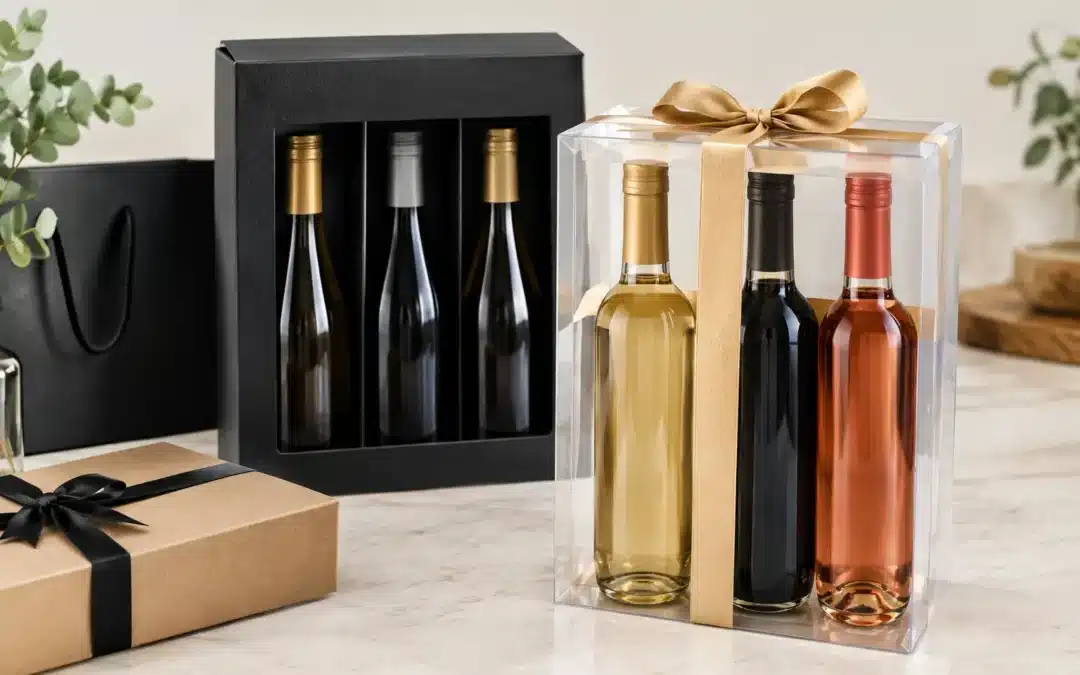
A bottle and glass set can look like a premium gift or a collection of loose items waiting to be damaged. The difference often comes down to presentation. This guide to bottle glass bundles is designed for businesses, event organisers and gift-set suppliers that need glassware packaging to make their offer feel considered, protected and ready to give.
Whether you are pairing wine glasses with a bottle for a winery promotion, preparing champagne flutes for wedding gifts, or building branded tumbler sets for a corporate campaign, the packaging needs to do more than look good. It needs to suit the glass shape, support efficient packing and help the recipient understand the value of the bundle at first glance.
What bottle glass bundles need to achieve
A bottle glass bundle usually combines a drink bottle with one or more pieces of glassware as a complete gift, retail or promotional set. The bottle may be wine, sparkling wine, beer, spirits or a non-alcoholic product. The glassware might be stemmed wine glasses, beer glasses, tumblers, whisky glasses, shot glasses, decanters or carafes.
The packaging challenge is that bottles and glasses are different shapes, weights and breakage risks. A tall wine bottle and a pair of delicate stemmed glasses cannot simply be placed in a generic carton and expected to arrive looking premium. Even where the bottle is supplied separately, the glassware box is still a major part of the final presentation.
For most buyers, the goal is to balance three requirements: protection in handling, a polished visual result and a practical price point. The right choice depends on how the bundle will be distributed. A set presented by hand at a dinner or awards night has different needs from one displayed in a retail store or sent to multiple client locations.
Start with the glassware, not the artwork
The glassware should determine the box format. Before choosing black cardboard or clear transparent packaging, confirm the height, widest diameter and base shape of every item in the set. Stemmed glasses need clearance around the bowl and stem, while low tumblers may need a shorter, more compact box. Decanters and carafes can have wide bases, narrow necks or distinctive profiles that need particular care.
It is also worth considering how many glasses belong in each set. A single wine glass can work well as a simple add-on to a bottle gift. Two matching glasses create a stronger gifting proposition for couples, settlement gifts and corporate recognition. Four or six glass bundles may suit retail packs or hospitality promotions, but they increase packing time and may require a more substantial outer solution.
Do not choose a box based on capacity alone. A box that is technically large enough can still leave too much movement inside. On the other hand, an overly tight fit can make packing slow and may put pressure on the glass during removal. A clean, easy fit is the commercial sweet spot.
Allow for the full packing process
Ask who will assemble the sets and where it will happen. If staff are packing hundreds of bundles for a campaign, a ready-made format that opens, loads and closes quickly can save considerable time. If the gift is being assembled by a boutique retailer or event stylist in smaller quantities, appearance may take greater priority than packing speed.
The glassware box also needs to work alongside the bottle packaging. In some campaigns, the glass box is placed beside a bottle in a larger hamper, gift carton or carry bag. In others, it is presented as a matching companion item. Confirm the final configuration before ordering so dimensions and visual finishes work together.
Choosing black cardboard or clear glassware boxes
For bottle glass bundles, black cardboard boxes and clear PVC or PET boxes serve different purposes. Neither is automatically the better option. The right choice comes down to the product, audience and setting.
Black cardboard glassware boxes offer a classic, professional presentation. They suit corporate gifts, winery merchandise, hospitality promotions and events where the recipient should have a small reveal when opening the pack. Black also provides a neutral base that sits comfortably beside many bottle labels, from traditional wine branding through to more contemporary spirit products.
Cardboard is often the practical choice when you want a dependable, economical box with a more formal appearance. It can help conceal minor variations in glass shape and is well suited to gift sets that will be placed inside another presentation pack. For larger campaigns, it also keeps the focus on consistent presentation and efficient assembly.
Clear PVC or PET boxes put the product on display. They are particularly useful when the glass itself is a feature, such as printed promotional glasses, coloured tumblers, elegant champagne flutes or distinctive whisky glassware. The recipient can see what they are receiving immediately, which is valuable in retail environments and for branded merchandise where artwork on the glass needs to be visible.
The trade-off is that transparent packaging puts every detail in view. Glasses need to be clean and aligned, and the inside of the pack must look tidy. Clear boxes are excellent for visual impact, but they demand a little more care during assembly.
Match the presentation to the occasion
The best bottle glass bundle feels appropriate to the reason it is being given. A single branded beer glass paired with a bottle can suit a pub promotion or product launch. Two wine glasses alongside a bottle are a natural fit for client thank-yous, real estate settlement gifts and winery club offers. Champagne flutes work well for weddings, engagement celebrations and milestone events.
For spirits, a pair of tumblers or whisky glasses can add perceived value without overcomplicating the gift. Smaller shot glasses may be more suitable for event favours, distillery promotions or seasonal retail sets. Decanters and carafes tend to be statement pieces, so their packaging should allow the shape and quality of the item to remain the focus.
Consider the journey after the gift is presented too. If guests will carry their packs from a venue to their car, the bundle needs to be easy to handle. If sets will sit on a retail shelf, clear product visibility and neat alignment may matter more. If they are headed into a freight carton, the presentation box is only one part of the protection plan and should be supported by suitable outer packing.
Plan quantities, timing and custom options early
Ready-made glassware boxes are a straightforward option when you need a polished result without a long design process. They are particularly useful for smaller orders, tight event deadlines and standard glass shapes. Selecting a suitable stock format can keep the project moving and make it easier to budget from the outset.
Custom-made packaging becomes more worthwhile where order volumes are larger, the glassware is an unusual shape, or the campaign needs a specific branded finish. It can also make sense when the bottle and glass presentation must follow strict dimensions for a curated gift set. Custom work needs more lead time, so it is best considered before glassware or bottle quantities are locked in.
When requesting pricing, provide the glass dimensions, quantity per pack, total order quantity, intended use and required delivery date. If you already know the bottle that will sit alongside the glasses, include its dimensions and a description of the final presentation. That information helps avoid a box that looks right in isolation but does not work in the complete bundle.
WineBox supplies black cardboard and clear transparent glassware boxes for a wide range of gifting applications, with ready-made options and tailored solutions for larger quantities. For Australian buyers coordinating promotions or events, responsive quoting and dependable turnaround can be as valuable as the packaging itself.
Common mistakes that reduce perceived value
The most common mistake is treating the box as an afterthought. Premium glassware placed in a poorly sized or flimsy-looking pack can undermine the whole gift, even when the bottle is excellent. The reverse is also true: a well-presented box can make a modest promotional glass feel more substantial and gift-ready.
Another issue is mixing too many visual messages. If the bottle has a strong label, the glass carries a printed logo and the box has several competing colours or messages, the set can look crowded. A simple black box often gives branded products room to stand out, while a clear box makes the glassware the hero. Choose one main focal point and let the other elements support it.
Finally, do not overlook packing trials. Assemble a sample set before committing to a large quantity. Check that the glass is easy to insert and remove, that the presentation stays neat, and that the box works with the planned bottle, hamper or outer carton. A few minutes spent testing can prevent a costly issue at event-packing time.
A well-chosen glassware box gives a bottle glass bundle its finishing touch: a practical way to protect the glasses, present the set professionally and make the recipient feel the gift was selected with care.