
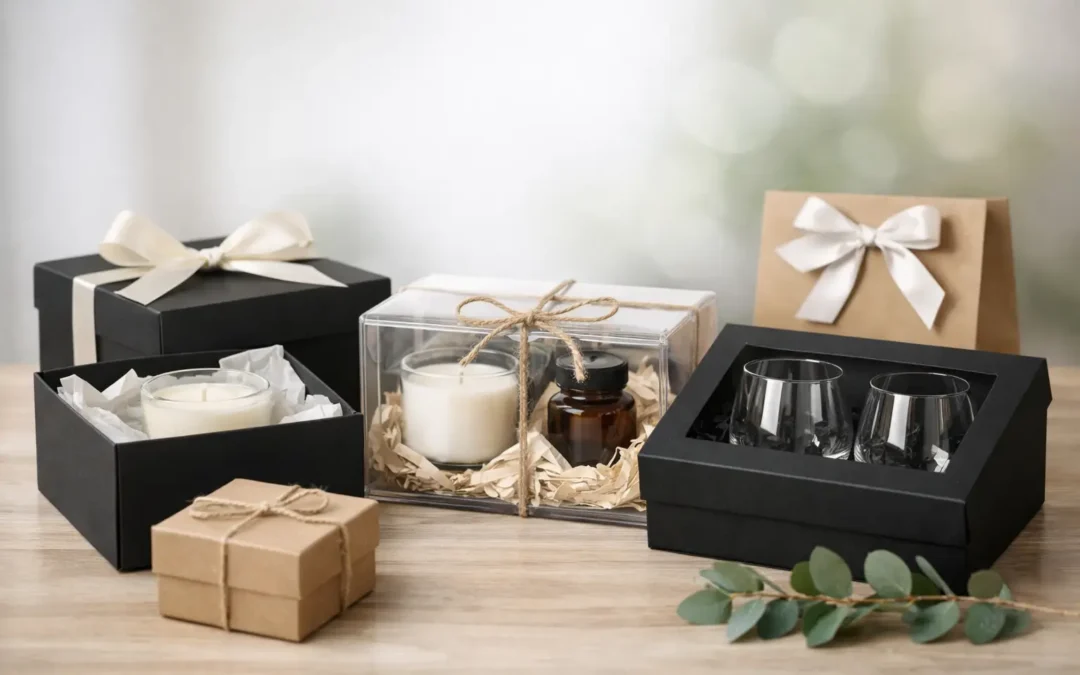
If a glassware gift looks like an afterthought, it often gets treated like one. Paper glass gift packaging changes that straight away. For retailers, event buyers, wineries and promotional teams, the box is not just there to hold a glass safely – it helps lift perceived value, tidy up presentation and make the whole offer feel ready to give.
That matters more than many buyers expect. A quality wine glass, tumbler or champagne flute can lose impact if it is handed over in plain wrap or generic packing. The right packaging gives the product a finished look, protects it in transit and makes it easier to display, pack into gift sets or hand out at events. When you are ordering in volume, it also needs to be practical, competitively priced and easy to work with.
Why paper glass gift packaging works
Paper glass gift packaging suits glassware because it balances presentation and function. A well-made cardboard box gives structure, stacks neatly and creates a clean surface for branding or a polished plain finish. For many buyers, especially those building gift packs or preparing corporate orders, that combination is more useful than overly decorative packaging that looks good for five minutes and becomes hard to store or ship.
Black cardboard boxes remain a strong choice because they look professional across a wide range of occasions. They work for cellar door sales, corporate gifting, wedding favours and retail shelves without locking you into one style. A simple black box can feel premium, understated and versatile at the same time.
There is also a practical side. Paper-based packaging is easier to label, easier to pack into cartons and generally more forgiving in busy fulfilment environments. If you are preparing dozens or hundreds of glassware gifts, those details make a real difference to labour time and presentation consistency.
Choosing paper glass gift packaging for the glass inside
Not every glass suits the same box format. The shape, height and fragility of the item should drive the packaging choice first, then the visual finish follows.
Stemmed glasses need stability
Wine glasses, champagne flutes and some beer glasses need extra consideration because the stem creates a natural weak point. The box needs enough height, enough internal stability and a fit that stops excess movement. If the glass can rattle around, the packaging is not doing its job, no matter how good it looks from the outside.
For gifting, these formats also benefit from a box shape that feels proportionate. A box that is too bulky can make the product seem poorly packed. One that is too tight can complicate packing and unpacking.
Tumblers and stemless glasses offer flexibility
Tumblers, whiskey glasses and stemless wine glasses are generally easier to package, which gives buyers more room to focus on visual presentation. These products work well in economical cardboard gift boxes and are often used in curated gift sets because they pair neatly with bottles, branded extras or event merchandise.
That said, easier does not mean one-size-fits-all. Heavy-base tumblers and short spirit glasses still need a box with the right dimensions and enough board strength to protect the product properly.
Carafes and decanters need a more deliberate approach
Carafes and decanters usually call for packaging with more internal room and a stronger sense of structure. These are higher-perceived-value items, so presentation carries more weight. Buyers often want the box to look refined without becoming complicated or costly to assemble.
This is where tailored packaging can make commercial sense. If the product is premium and the order volume supports it, custom sizing helps reduce wasted space and improves the final presentation.
Paper versus clear packaging – what depends on your goal
Some customers come in looking specifically for paper packaging. Others are deciding between black cardboard and clear PVC or PET boxes. The right choice depends on what the packaging needs to do.
Paper glass gift packaging is usually the better fit when you want a more premium, gift-ready or brandable look. It is especially effective for corporate hampers, winery gift packs, wedding presentation and retail gifting where the outer box should feel deliberate and polished.
Clear packaging has a different strength. It shows the glass immediately, which can help in visual retail settings or when the decoration on the product itself is the main selling point. For some promotional items, that instant visibility is useful.
Neither option is automatically better. If appearance, gifting and branding are the priority, paper often wins. If product visibility is the main driver, clear packaging may be the better tool. Many businesses use both, depending on the campaign or product range.
Where paper glass gift packaging adds the most value
The biggest advantage of paper packaging is that it helps glassware look complete. That is valuable across several buying scenarios.
For corporate promotions, a boxed glass feels more considered and more suitable for client gifting. It also makes distribution easier, especially when products are being packed for events, end-of-year gifts or branded campaigns.
For weddings and events, presentation needs to be consistent. Matching boxes help glassware favours or gift sets look organised and photo-ready without requiring a custom design process for every order.
For retailers and gift businesses, a good box can increase the perceived value of the item on the shelf. Customers are often more willing to buy a glass as a gift when it already looks ready to hand over.
For wineries, breweries and hospitality venues, packaging helps combine glasses with bottles or other products into a neater, more saleable set. That can turn a simple merchandise item into a stronger gifting offer.
What business buyers should check before ordering
A gift box that looks good in a sample photo can still be wrong for the job. The best buying decisions usually come down to a few practical checks.
First, measure the actual glass carefully. Product names can be misleading, and two wine glasses with similar capacity can have very different heights and bowl widths. Packaging should be chosen to fit the physical item, not just the product category.
Second, think about how the packaging will be used after delivery. Will staff be assembling large volumes quickly? Will the boxes be displayed in-store? Will they be packed together with bottles or promotional items? A box that works well in one setting may be inefficient in another.
Third, be realistic about order size. For smaller runs, ready-made packaging is often the most efficient and cost-effective option. For larger quantities, custom-made packaging may offer better value overall because it improves fit, branding and consistency across the full order.
Finally, do not separate price from presentation too sharply. Budget matters, but the cheapest box is not always the best value if it weakens the perceived quality of the gift or creates packing issues.
When custom paper glass gift packaging makes sense
Custom packaging is not necessary for every project, but there are clear cases where it earns its place. If you are running a branded campaign, building a signature gift set or working with an unusual glass shape, a custom solution can solve problems that stock packaging cannot.
It also helps when consistency matters across a larger order. Event planners, promotional product resellers and brand managers often need packaging that supports a particular look while still being practical to pack and distribute. In those cases, tailored sizing or finishes can improve both presentation and operational efficiency.
For Australian businesses working to event deadlines or campaign launch dates, turnaround time matters just as much as design. That is why many buyers prefer suppliers who understand both packaging requirements and commercial timelines, rather than treating the job as a one-off packaging exercise.
A better box does more than protect the glass
Packaging is often treated as the last task in the process, but buyers usually get better results when they consider it earlier. The right paper glass gift packaging helps protect fragile products, yes, but it also supports pricing, branding and the overall impression the customer takes away.
That is particularly true in gift-led categories. A wine glass in a smart black cardboard box feels more complete than the same product wrapped at the counter. A tumbler boxed as part of a branded set feels more intentional. A wedding favour packed neatly saves time and avoids the rushed look that can creep in during final event prep.
For many customers, the best packaging is the option that makes the whole job easier while still looking sharp. If the box fits well, presents well and arrives ready to work for your order, it is doing far more than protecting glass on the way from A to B. It is helping the gift land properly.